PLMA Amsterdam 2026: How European Retail Is Changing
Enzo Sisto 27 mei 2026
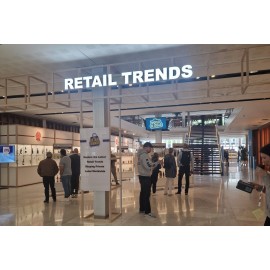
PLMA Amsterdam 2026: How European Retail Is Changing
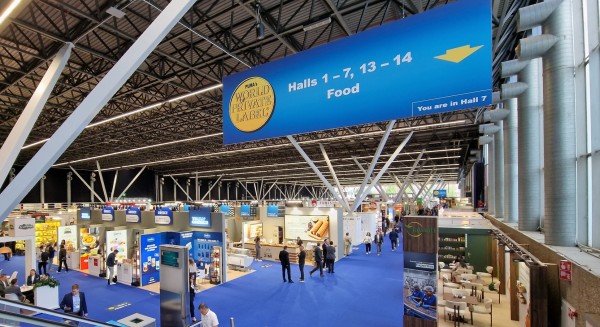
PLMA Amsterdam has become one of the most important trade fairs for understanding the future of private label and retail in Europe. Every year the exhibition brings together producers, retailers, buyers, and food companies from many countries. More than 3,200 exhibitors and visitors from over 75 countries are expected to attend the 2026 edition.
Today the fair is no longer only about products. It is also about consumer habits, lifestyle, health, convenience, and the way supermarkets are changing their role in everyday life. The event gives a clear picture of how retailers see the future consumer and how they are adapting their product ranges to new expectations.
One of the clearest messages from PLMA 2026 is that private label has evolved strongly over the last twenty years. In the past, retailer brands were mainly positioned as lower-cost alternatives to well-known industrial brands. Today many retailers are developing their own identity through private label products. Packaging, quality, sustainability, storytelling, and product image have become almost as important as the product itself.
Consumers still care about price, but price alone is no longer enough. People now look for products that combine practicality, taste, trust, health, and authenticity. Retailers are therefore trying to create stronger emotional connections with consumers through their own product lines.
Another important point visible throughout the fair is that the supermarket itself is changing. Retailers no longer want to act only as distributors of products. They increasingly want to guide consumer choices, create lifestyle-oriented assortments, and offer products that reflect modern habits and values.
One of the strongest trends at PLMA 2026 was convenience food. Across Europe, many consumers live alone or in smaller households, work longer hours, and cook less traditionally than in the past. However, they still want meals that feel enjoyable, varied, and reasonably healthy. Retailers are responding with a new generation of ready meals and convenience products. See below:
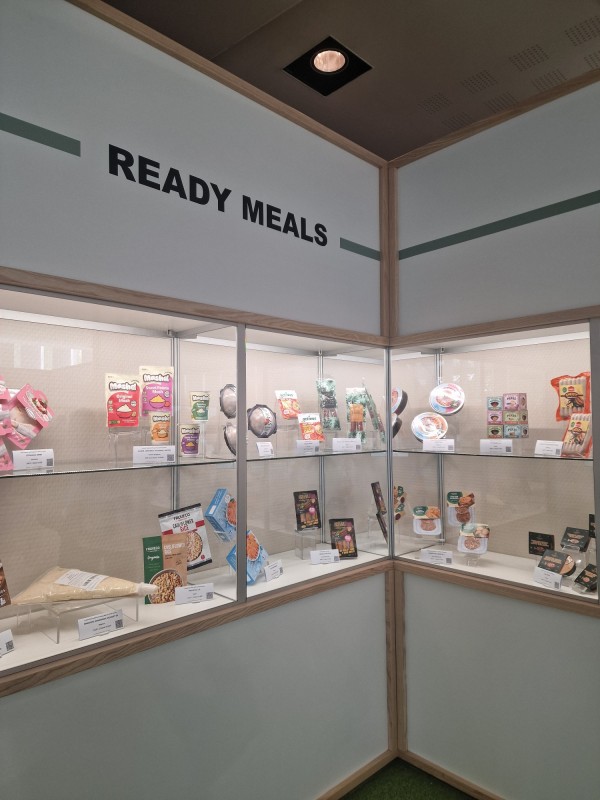
In the Netherlands, Jumbo presented a wide range of “Ready Meals for One,” designed especially for single consumers, small households, and younger urban buyers. The products included Thai curries, kimchi rice, udon noodles, couscous dishes, Mediterranean recipes, and vegetarian pasta meals. The overall presentation was modern and colorful, clearly aimed at consumers looking for quick meals without giving up variety or quality. See below:
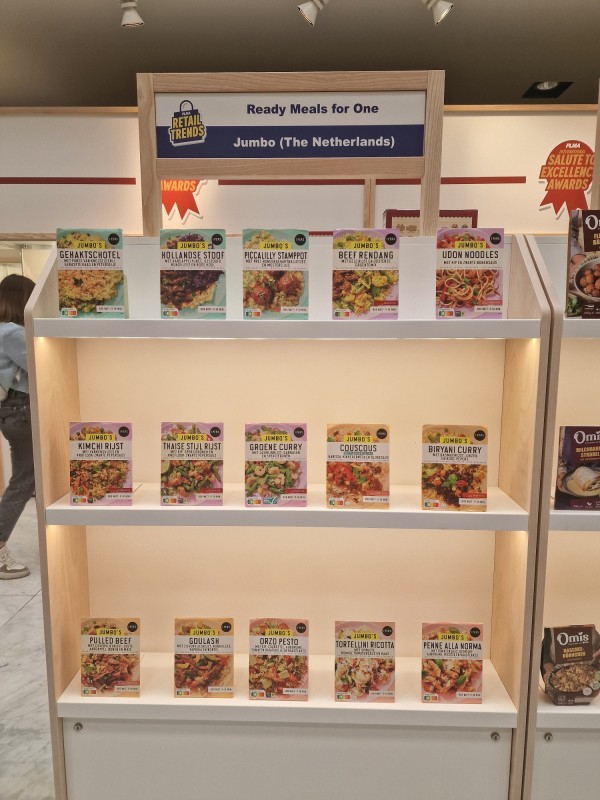
This category reflects a broader social change. Consumers want practical food solutions, but they also want products that feel more personal and more enjoyable than traditional ready meals. Convenience is therefore becoming more premium. Fast preparation remains important, but retailers are combining it with international flavors, better ingredients, and more attractive packaging.
Another strong trend was the growth of healthier snacks and products linked to well-being. Consumers increasingly want foods that fit into a healthier lifestyle while still remaining enjoyable. Health is no longer associated with strict diets or sacrifice. Instead, many consumers are looking for balance between pleasure and wellness.
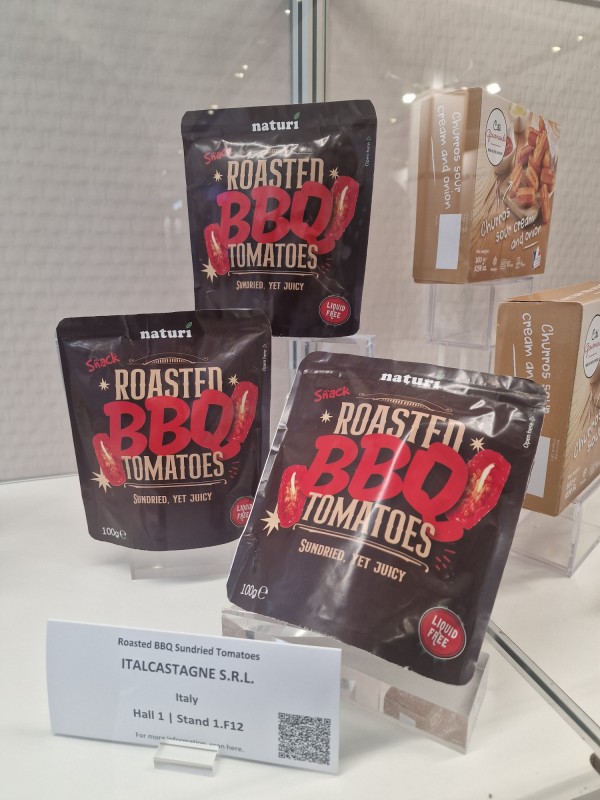
In Italy, Italcastagne presented “Roasted BBQ Tomatoes,” a snack based on roasted tomatoes positioned as a healthier alternative to traditional snacks. Vegetable-based snacks and products with simple ingredient lists continue to grow in popularity because consumers increasingly prefer foods perceived as more natural and less processed. See below:
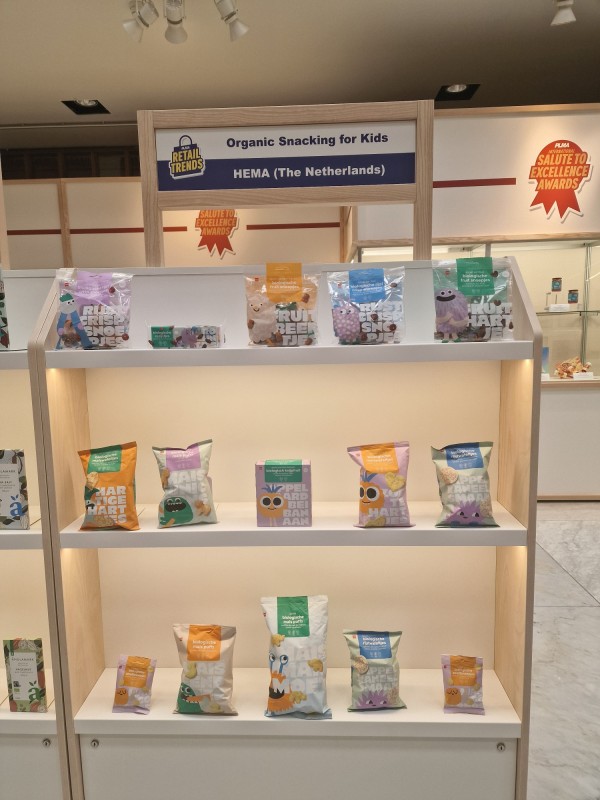
The same trend was visible in the Netherlands, where HEMA introduced organic children’s snacks with playful and colorful packaging. The products were designed not only to attract children, but also to reassure parents looking for healthier choices. This example showed clearly how important emotional communication and packaging design have become in modern retail. See below:
Functional nutrition was another major focus throughout the exhibition. Consumers are becoming more interested in products connected to energy, fitness, recovery, healthy aging, and overall well-being. Foods are increasingly expected to provide a specific benefit in addition to basic nutrition.
In Belgium, Carrefour presented a complete “performance nutrition” range including whey protein, plant proteins, isotonic drinks, creatine, and recovery beverages. Products that were once aimed mainly at athletes and bodybuilders are now entering mainstream retail channels and becoming part of daily consumption. See below:
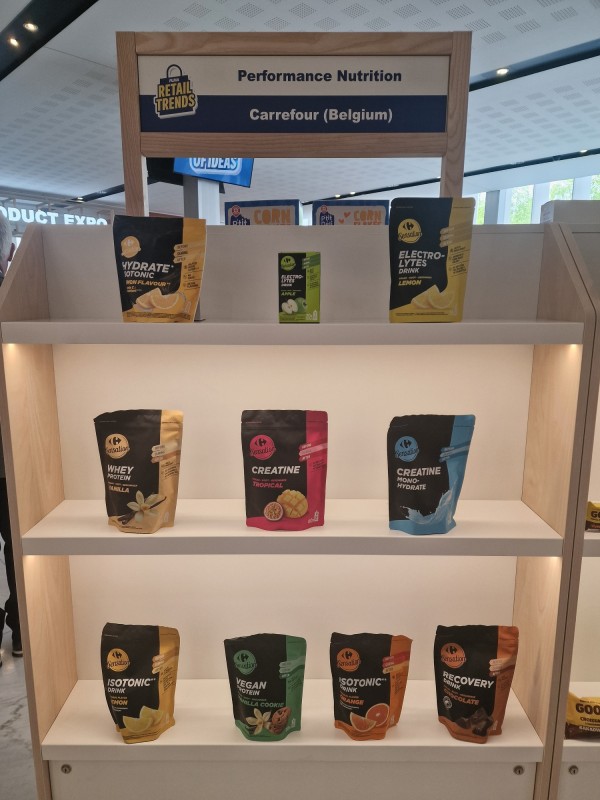
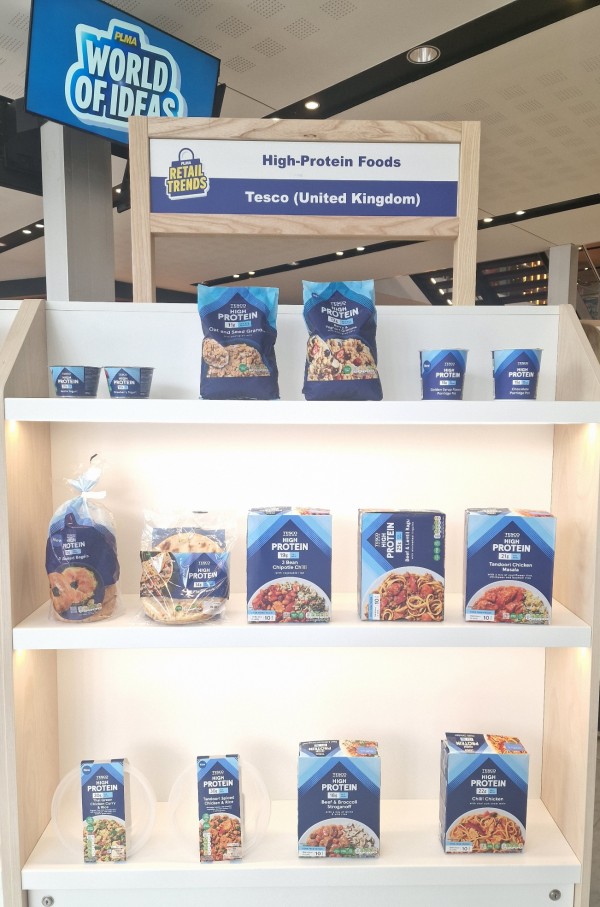
The “high protein” category continues to grow quickly because consumers increasingly connect protein not only with sports, but also with satiety, weight management, and active lifestyles. Whey protein has become one of the most important functional ingredients in modern food products. It is now commonly used in protein snacks, yogurts, desserts, meal replacements, and beverages.
Closely connected to functional nutrition is the strong growth of “gut health.” This was one of the most visible themes at PLMA 2026. The intestinal microbiome is now widely associated with immunity, digestion, energy, mental well-being, skin quality, and general health.
As a result, many products at the fair included claims related to fiber, natural fermentation, microbiome support, digestive wellness, prebiotics, and probiotics. The market now seems to focus especially on prebiotics and fermentation because these ingredients are easier to use in private label products and are generally more stable and less expensive than traditional probiotics.
This trend is spreading across several sectors, including food, supplements, cosmetics, and pet food. Many companies are now positioning health as a complete lifestyle concept rather than a separate category.
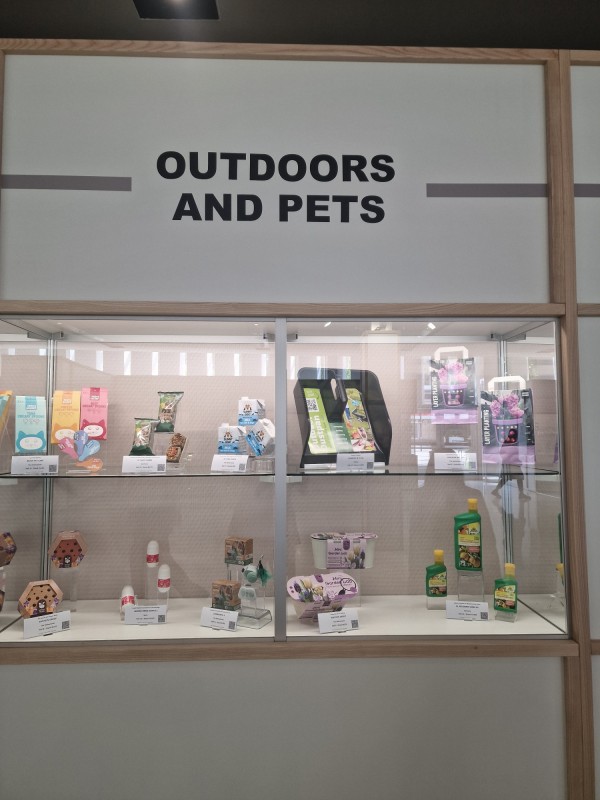
Pet food itself was one of the fastest-growing sectors visible at the fair. But not only food ...
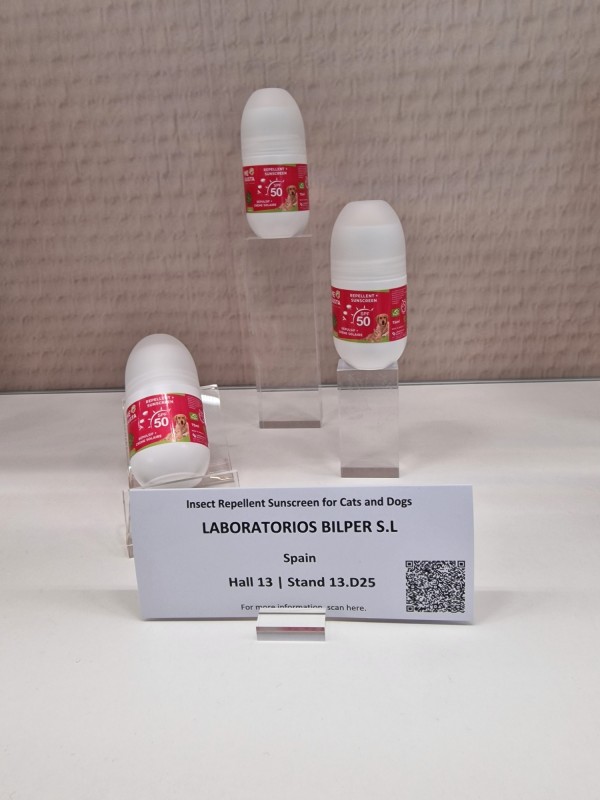
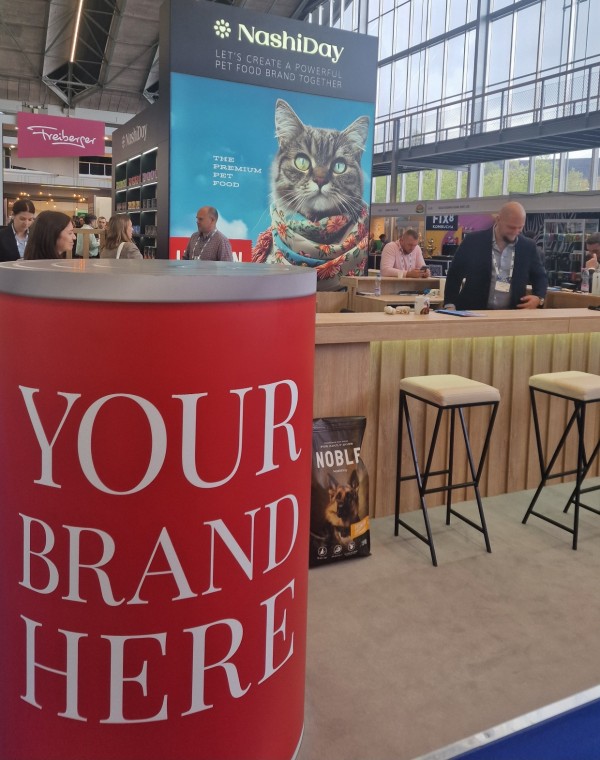
More consumers now consider pets part of the family, and this is changing the expectations for pet nutrition. Premium ingredients, digestive support, immunity, healthy aging, and natural formulations are becoming increasingly important in the pet food market.
Another major theme at PLMA 2026 was the internationalization of taste. Asian cuisine, fusion recipes, Mediterranean concepts, and globally inspired products appeared throughout the exhibition. European consumers are becoming more curious and open to international flavors, influenced by travel, social media, food influencers, and multicultural urban environments.
Products such as Thai curries, Japanese udon noodles, kimchi rice, fusion bowls, and oriental fermentation concepts were present in many categories. Retailers are trying to create more exciting food experiences and differentiate their assortments through flavor innovation.
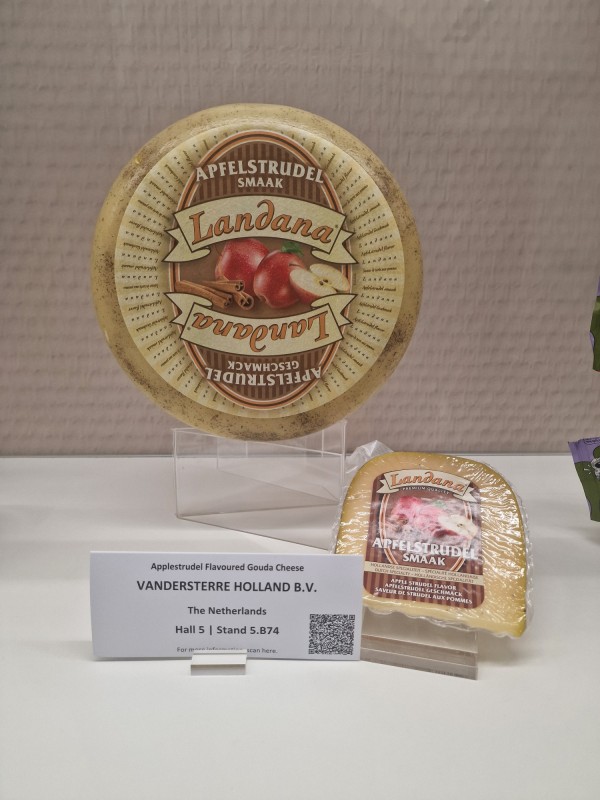
An interesting example came from Vandersterre Holland in the Netherlands, which introduced a Gouda cheese flavored with apple strudel. Sweet and savory combinations are becoming more popular because they create curiosity and offer consumers a different sensory experience. Products increasingly need to stand out and create conversation, not simply provide good taste.
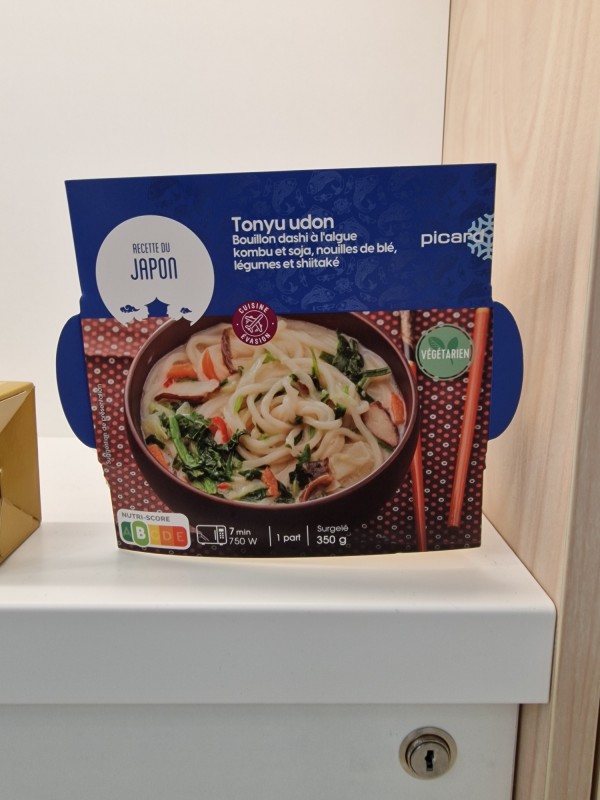
France continued to show strong leadership in premium frozen foods and convenience gastronomy. Picard presented a large assortment of frozen products with refined packaging and strong international influence. Frozen food is no longer positioned as a cheap emergency solution, but increasingly as a practical way to enjoy high-quality meals at home. See below:
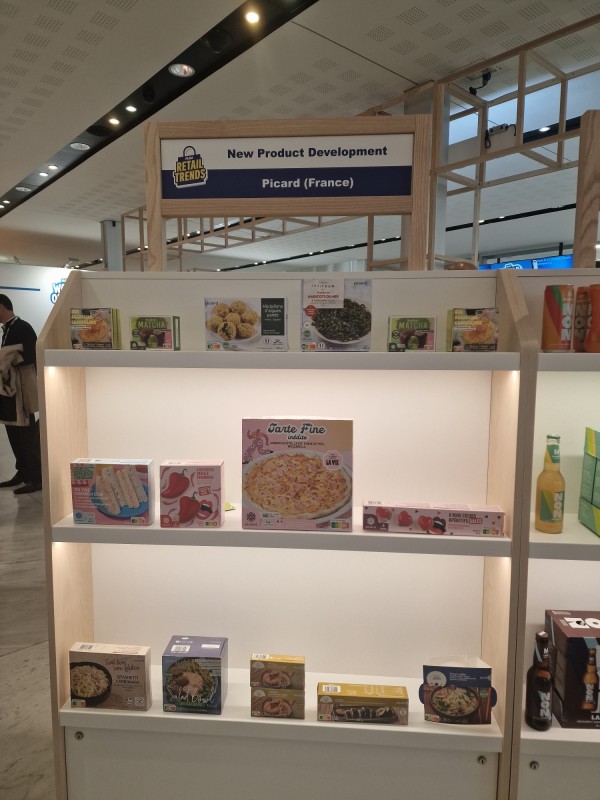
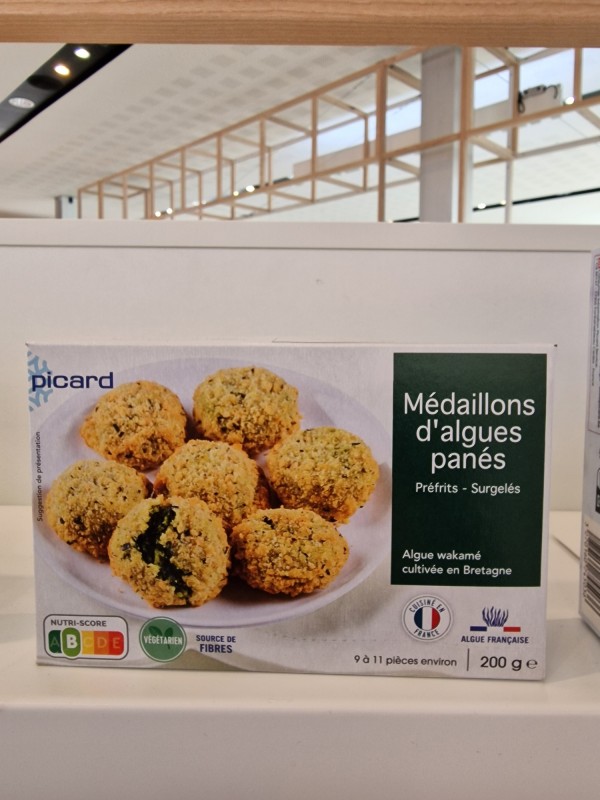
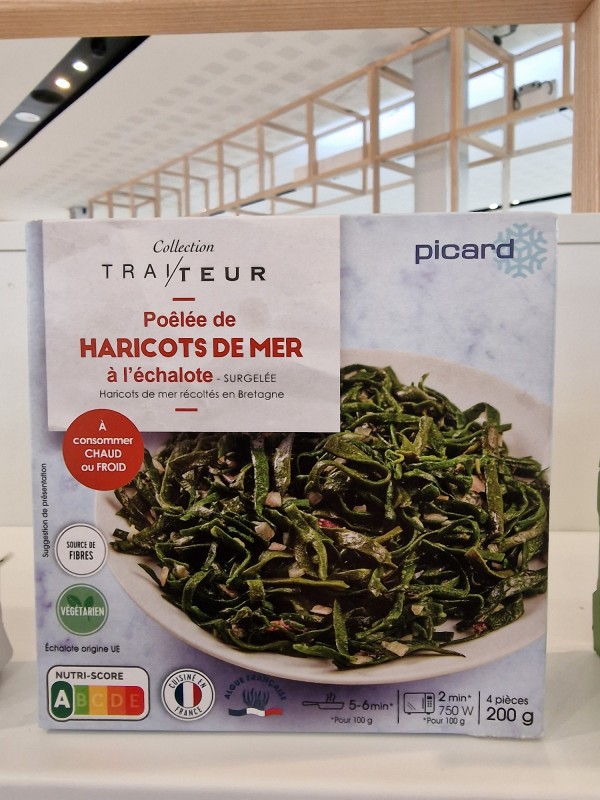
Among the products presented were seaweed medallions, seaweed salads, Japanese udon dishes, vegetarian meals, gourmet appetizers, and modern desserts. Seaweed products attracted particular attention because they combine sustainability, health, and innovation. Consumers are becoming more open to alternative ingredients and new food cultures.
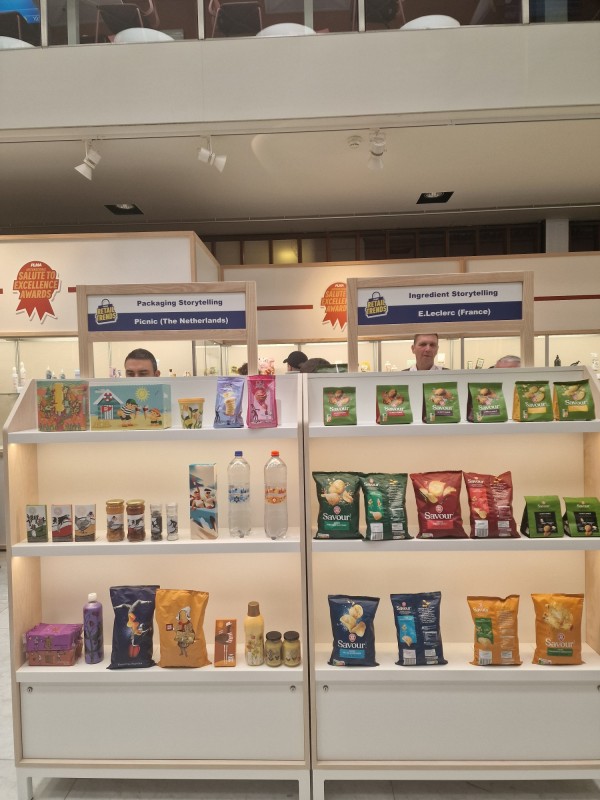
French retailers also placed strong emphasis on storytelling and packaging. E.Leclerc presented packaging focused heavily on ingredient origin, regional identity, and production methods. Consumers increasingly want to know where products come from, how they are produced, and what values they represent.
Packaging throughout the fair played a very important role. Today packaging is no longer only functional. It is used to communicate quality, authenticity, sustainability, health, and premium positioning. Since consumers often make purchasing decisions very quickly, visual presentation has become one of the main tools retailers use to differentiate products.
Italy maintained a strong focus on authenticity, regional identity, and traditional food culture. Gruppo Finiper, through its “Il Viaggiator Goloso” brand, presented products centered around premium Italian gastronomy. The assortment included Piedmontese beef burgers, Salame Felino PGI, organic pasta, premium olive oil, truffle products, and gourmet specialties.
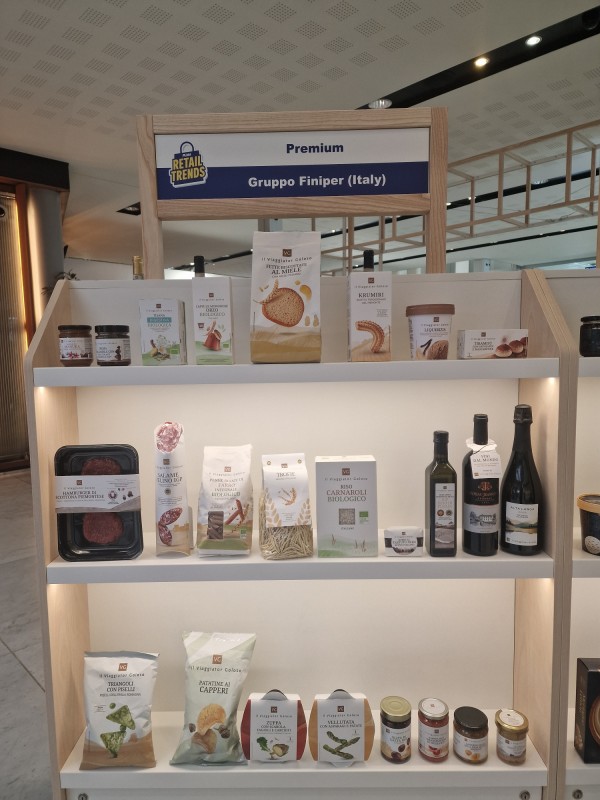
These products showed how strongly consumers continue to value authenticity and clear regional identity. Many buyers are willing to pay more for products linked to tradition, craftsmanship, and recognizable origin.
The clean label trend was also visible across almost every category at the exhibition. Consumers increasingly prefer products with shorter ingredient lists, fewer additives, and more transparency. Organic products, natural fermentation, and plant-based ingredients continue to expand in importance.
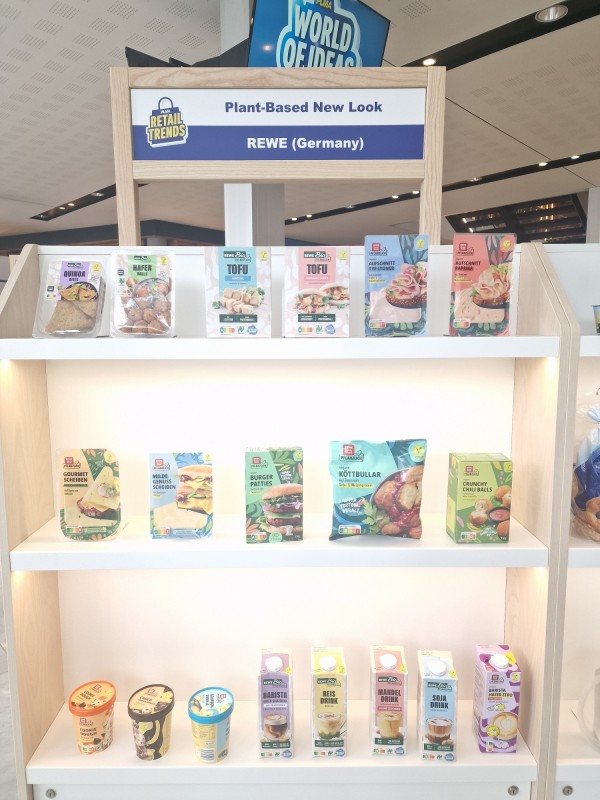
One of the most interesting aspects of PLMA 2026 was the overall shift in the role of retailers. Supermarkets are no longer trying only to offer low prices or large assortments. Instead, they are focusing more on creating identity, trust, and emotional connection with consumers. See below some other products:
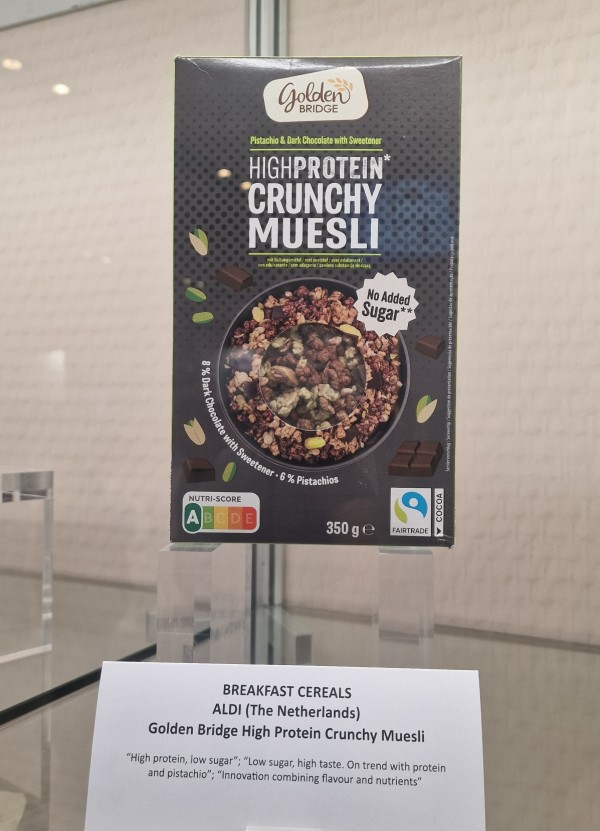
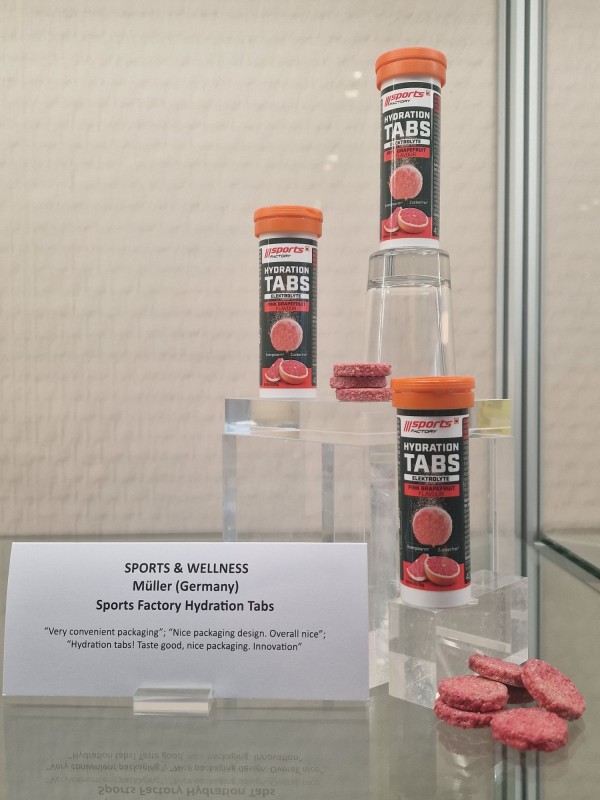
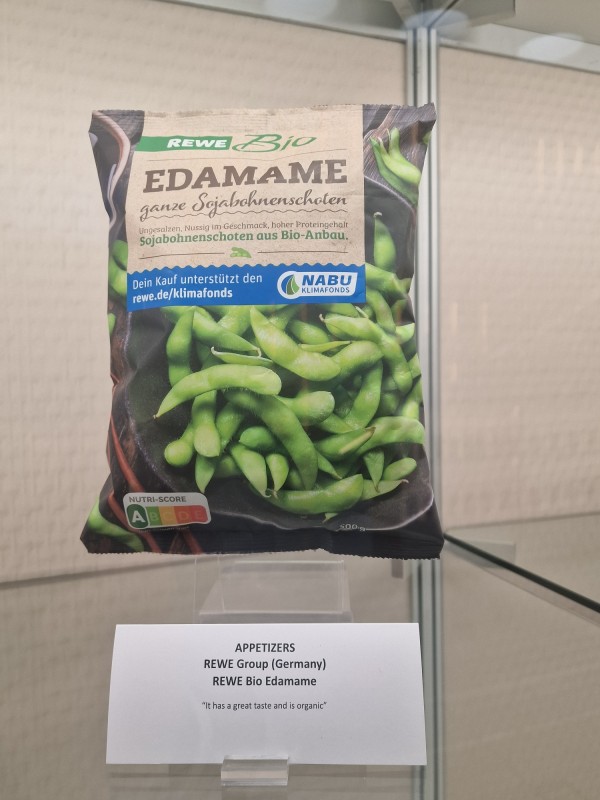
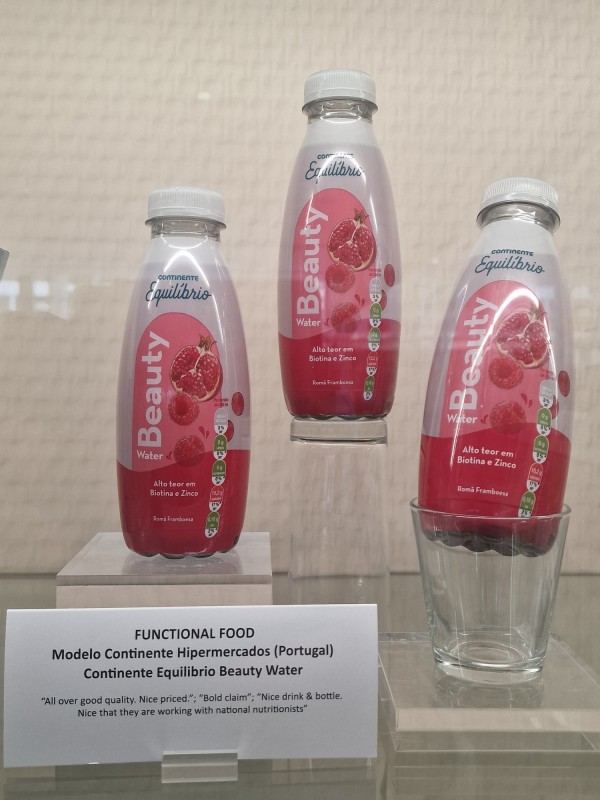
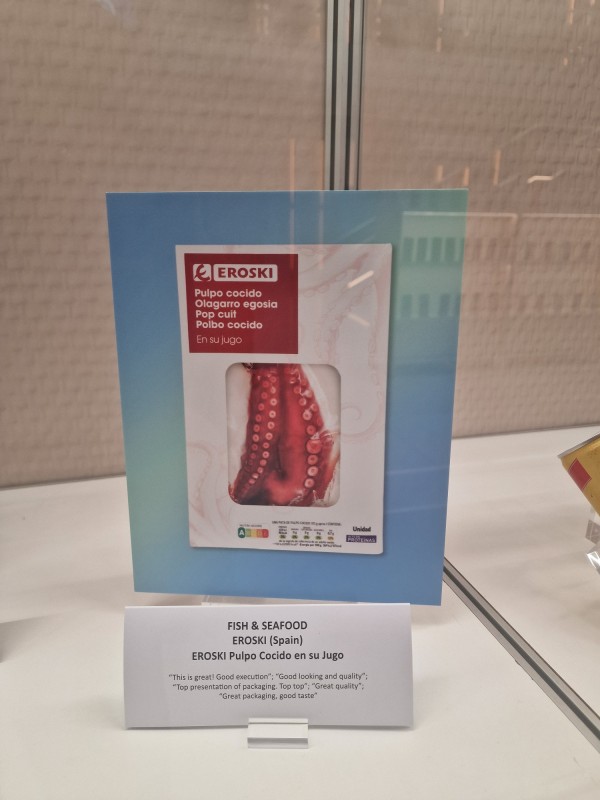
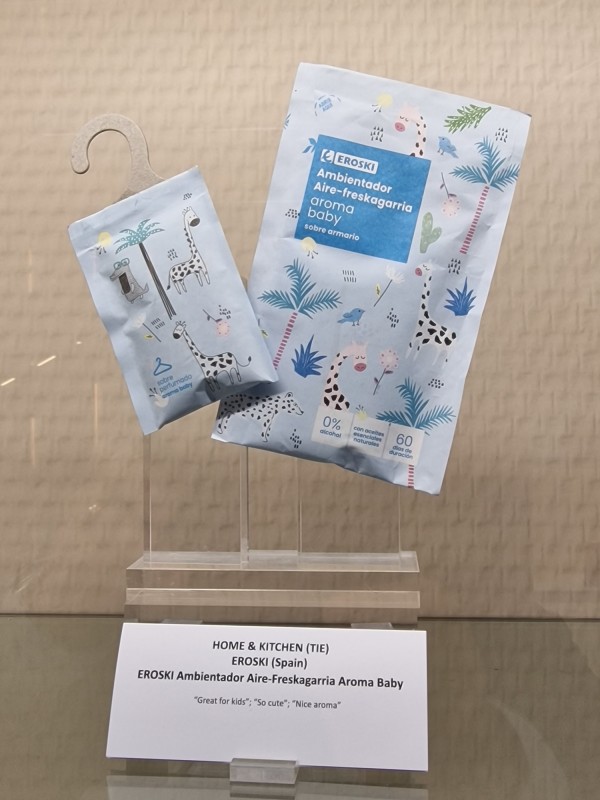
Private label products are now used as strategic tools to strengthen retailer image and consumer loyalty. Many retailers are building product ranges that reflect specific lifestyles, values, and consumer priorities.
REWE
TESCO
Overall, PLMA Amsterdam 2026 showed a retail market moving toward products that combine convenience, health, quality, authenticity, and lifestyle positioning. The exhibition also showed how supermarkets are becoming more involved in product development, branding, and communication.
The future of retail appears increasingly connected to premium convenience, functional nutrition, clean label products, international flavors, emotional packaging, and stronger relationships between retailers and consumers.
Thank you for your attention.
Gerelateerde blogs
SFIZIOSO everyday is a great #vealday Via Bagutta Comunicazione Lab Milano
Enzo Sisto 24 februari 2023
When we began the adventure SFIZIOSO seven years ago together with Savino Vurchio and Maria Elena Marani of Via Bagutta Comunicazione we did not expect such an important success.
Gallipoli Salento
Enzo Sisto 16 juli 2017
You can’t visit Salento without tasting a pasticciotto van Martinucci. This tasty cake based on cream, almonds, lemon is pure poetry. We have got it in Gallipoli.
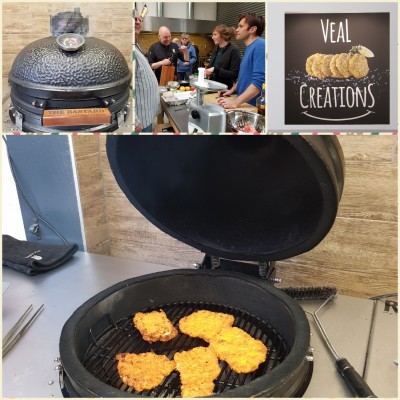
The Bastard BBQ Kamado Grill
Enzo Sisto 27 december 2017
It is incredible! The Kamado grill The Bastard is able also to grill a classical veal “Cotoletta alla Milanese”. Danny Hovestad keep it about 15’ at 150°C.