ALIMENTARIA BARCELONA 2026 report
Enzo Sisto 25 maart 2026
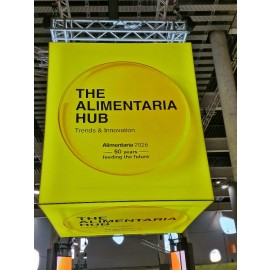
Alimentaria Barcelona 2026
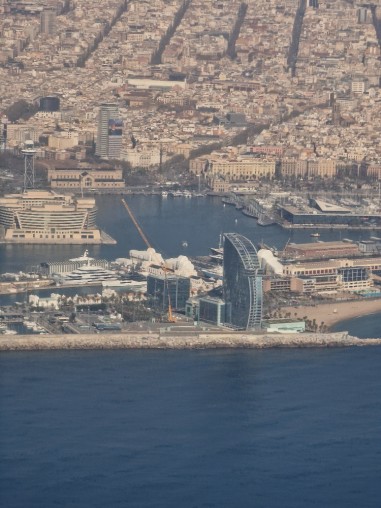
The flight from Amsterdam to Barcelona visually anticipates what the fair represents: the white of the Pyrenees, then the Mediterranean shifting from deep blue to emerald green, all the way to the port city. It is a natural entry point to one of the most relevant events for understanding the evolution of the European food & beverage sector, particularly in the Horeca channel.

.
Alimentaria confirms itself not only as a trade fair, but as a strategic observatory. Here, industry, distribution and food service come together, and above all, the market’s trajectories clearly emerge. What makes it particularly significant is its ability to reflect a structural change: value no longer derives solely from the product itself, but from the combination of identity, storytelling, technique and economic sustainability. Success is built on the balance between gastronomic experience and accessibility for the European consumer.
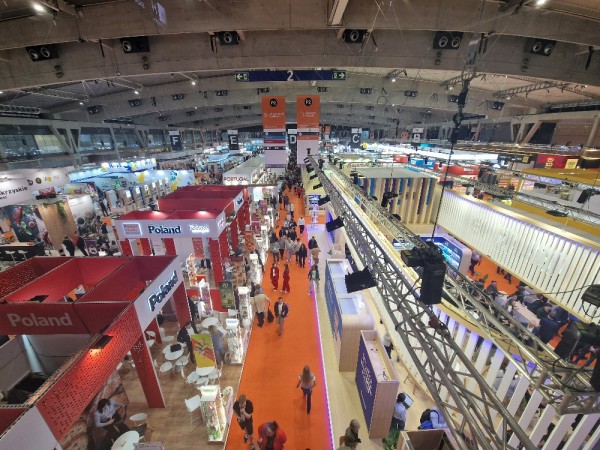
The vision of the event is structured around six main directions: supply chain resilience, sustainability of production systems, revitalization of rural and coastal areas, promotion of healthy eating, development of innovation and technology, and transparency towards the consumer. These are pillars that describe an increasingly interconnected food system, where health, sustainability and information become competitive factors.
These themes find concrete application in the Innoval Conference on March 24, which translates the vision into trends and innovations. The halal sector shows significant growth, driven by quality and certification. At the same time, functional nutrition is strengthening, with natural ingredients and products oriented towards wellbeing. Examples such as dehydrated sprouts or premium and enriched honeys point to a clear direction: health and perceived value.
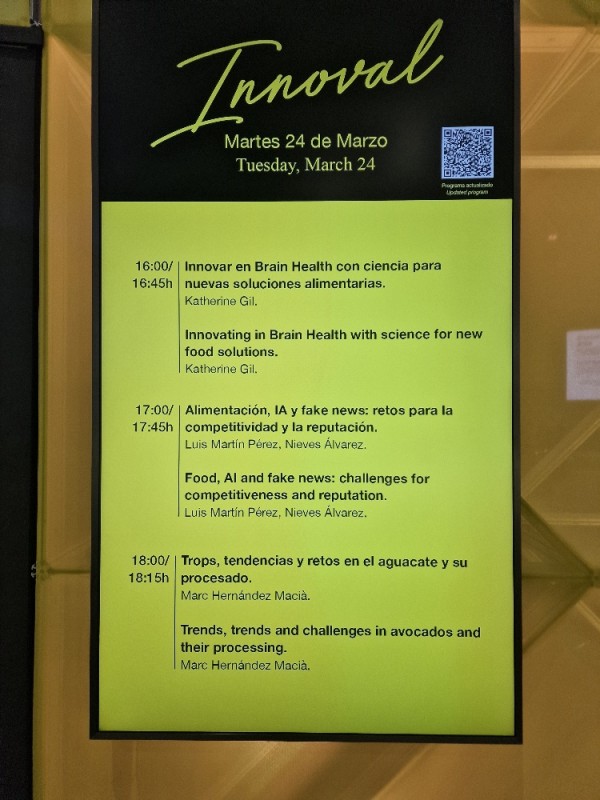
The role of data is also becoming central. Consumer research drives product development and increases the chances of commercial success. In the snack and chocolate segments, the clean label approach is gaining ground, with particular attention to sugar reduction and simplicity of ingredients.
Future challenges concern different but connected areas: the link between nutrition and cognitive health, the impact of artificial intelligence, the risk of fake news, and the management of global supply chains. The common thread remains trust.
Here some of the most interesting innovations:
"La nueva charcuteria del mar", "Functional gummies", "Germinado de broccoli - dehsidratado", "Functional kids",
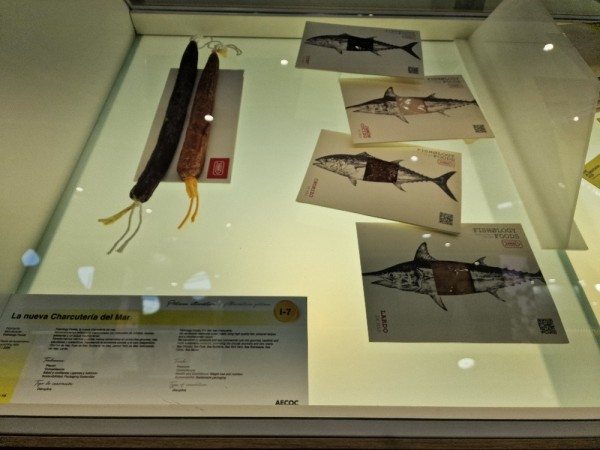
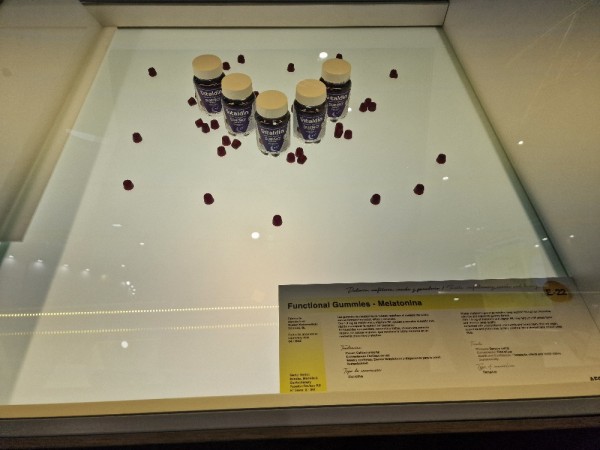
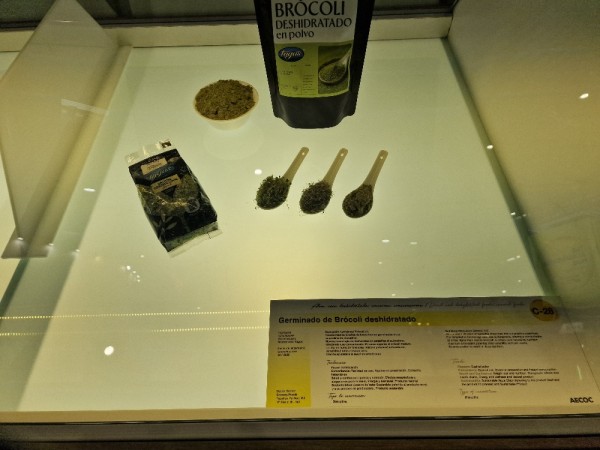
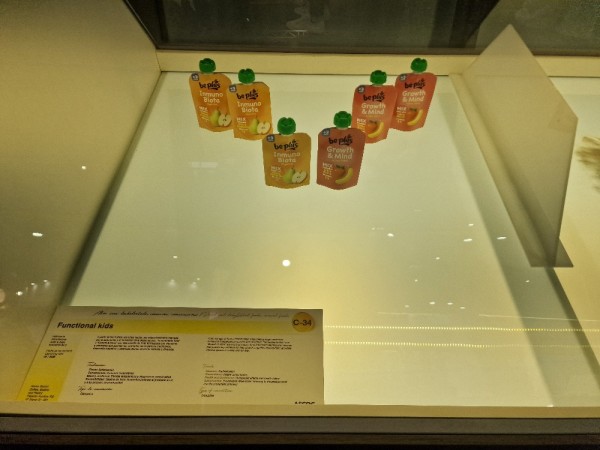
Overall, a clear model emerges: a food industry increasingly oriented towards health, driven by innovation and centered on the consumer. Products must respond to new nutritional and environmental needs, be developed based on real data, and combine premium quality with ease of use. Technology and research are accelerating change, but transparency and communication remain decisive.
In this context, the cultural role of the Nueva Cocina Vasca (Arzak & the Nueva Cocina Vasca » COFOS FOODS) stands out, having reshaped Spanish gastronomy since the 1970s. The centrality of raw materials, respect for territory, simplification of dishes and technical innovation have laid the foundations for a new way of valuing meat as an identity product.
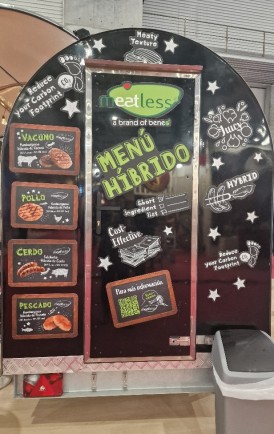
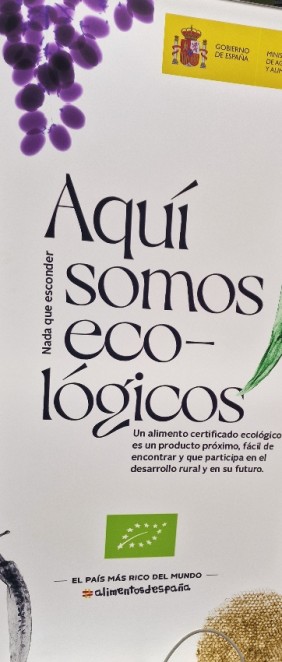
Curiosity: organic is present, but not as much as in the pre-Covid period. There is an attempt to promote hybrid products. We already tried this approach in 2016 with VEAL CREATIONS , but it did not receive strong support from either the industry or consumers. The future will tell whether this new attempt will be successful.
MEAT
Over the past ten years, Galician marbled beef and dry ageing have had a profound impact on European Horeca. They have not only introduced new products, but a new language of value, changing consumer perception and restaurant positioning.
The Basque txuletón model has become a global reference, while dry-aged beef has moved beyond steakhouse boundaries, influencing premium burgers, modern butchery and new product categories.
This development must be read within a complex economic context. Food inflation is still perceived as high, income growth is uneven, and attention to the quality-price ratio is increasing. Consumers are not abandoning premium, but are choosing it more selectively.
From this, several trends emerge for the coming years: more occasional premium consumption, growth of affordable luxury, greater focus on the supply chain rather than just the breed, smarter portioning and full animal utilization. Dry ageing is evolving from a visual element into a technical discipline focused on efficiency.
Different breeds and meat types respond to complementary logics. Not only Spanish but European. The Rubia Gallega stands out for its depth of flavor and strong gastronomic identity, Aberdeen Angus for accessibility and recognizability, Limousin for yield and efficiency, Normande or Hereford for balance and territorial storytelling, Wagyu (raised in Spain in Vismalo by La Finca Santa Rosalia) for experiential value, the Dutch Weiderund from Ameco is a system for supply chain consistency, Podolica for authenticity, and Chianina for tradition and prestige.
The real opportunity is not to choose the best meat in absolute terms, but to use each type in the most suitable context, building both margin and identity. This leads to a strategy that combines iconic products, a structured offering, territorial valorization and full use of the animal.
Alimentaria Barcelona thus represents the meeting point between gastronomic culture, innovation and economic reality. The future will not be a break, but a maturation: less excess and more precision, less ostentation and more real value. In a European market characterized by uneven purchasing power growth, competitiveness will depend on the ability to maintain consistency between promise and product.
My photo report:
I walked for a couple of hours through halls 2-3-4 to collect impressions and insights.
the most beautiful stand:
ALJOMAR - link ALJOMAR
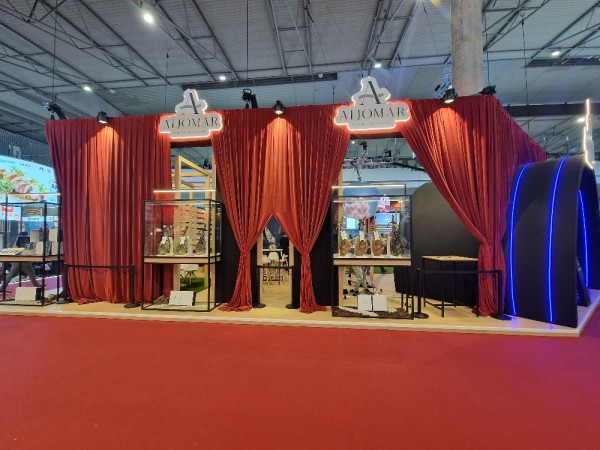
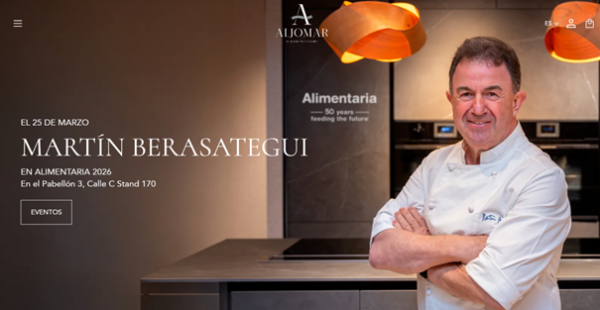
Special guest at ALJOMAR stand is Martin Berasategui. March 25th at noon.
Juan Mari Arzak, Pedro Subijana, Karlos Arguiñano and Martín Berasategui are the main protagonists of the Nueva Cocina Vasca, which emerged in the 1970s in the Basque Country under the influence of French nouvelle cuisine. Arzak is the central figure of the movement, while Berasategui represents a later phase of evolution and consolidation. Subsequently, Ferran Adrià became the leading figure of the molecular revolution linked to avant-garde and techno-emotional cuisine developed in Catalonia with elBulli.
.
the most original stand:
Galicia - With fishing nets and wooden boats decorating the ceilings, illuminated by festoons that evoke traditional fishing tools.
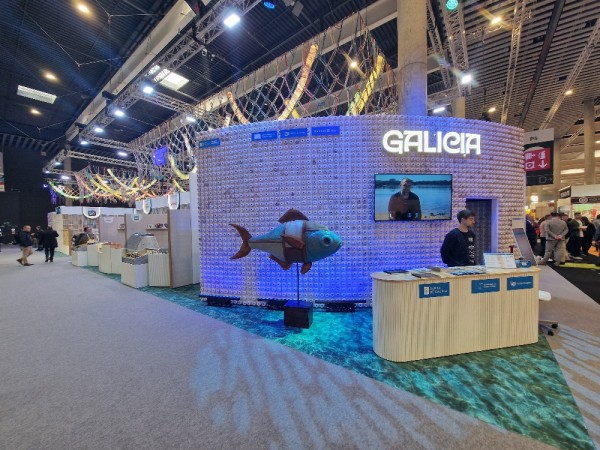
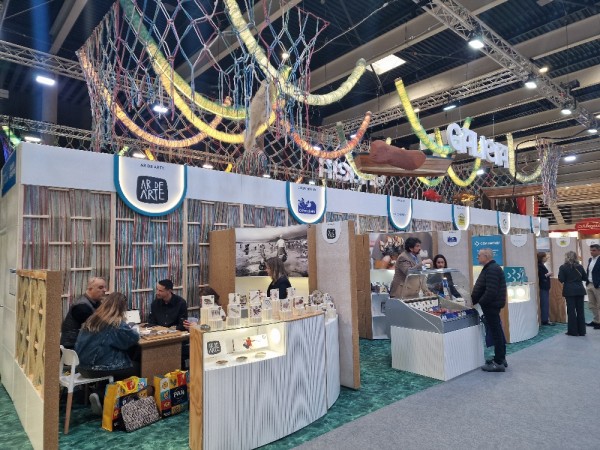
.
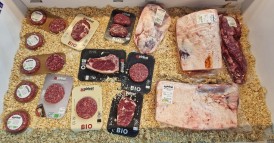
the best meat display
Central de carne premium s.a .Nuestras marcas - Central de Carnes Premium
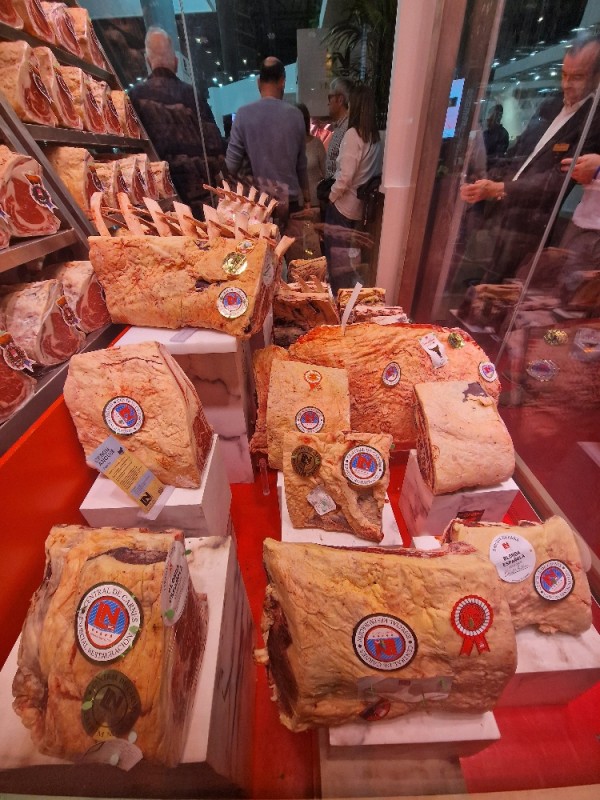
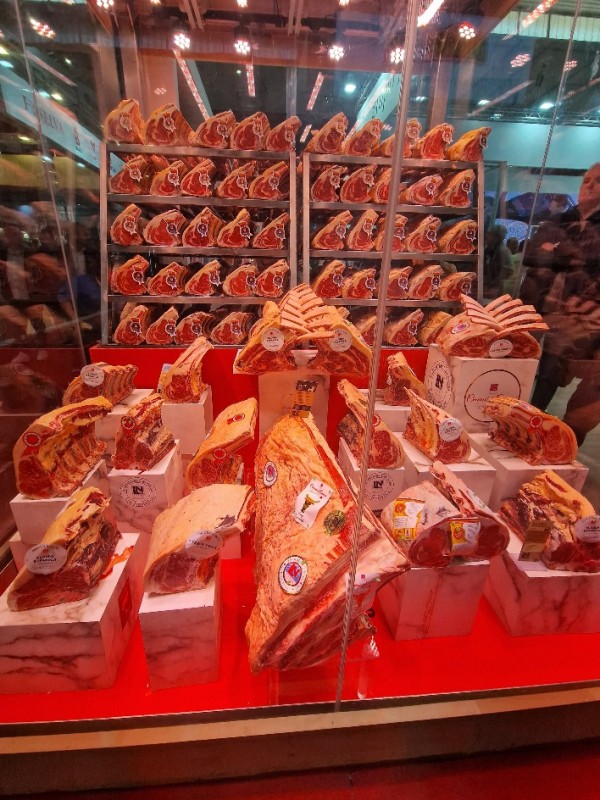
.
the best packaging
Level Cook by Aurelio Morales
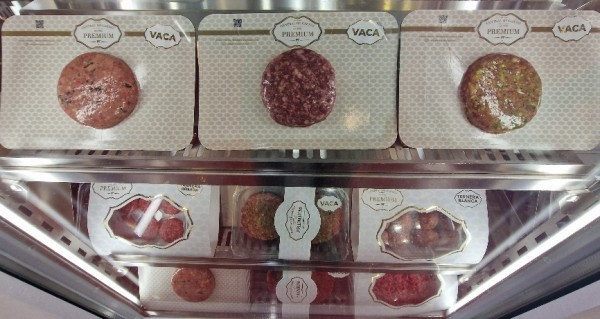
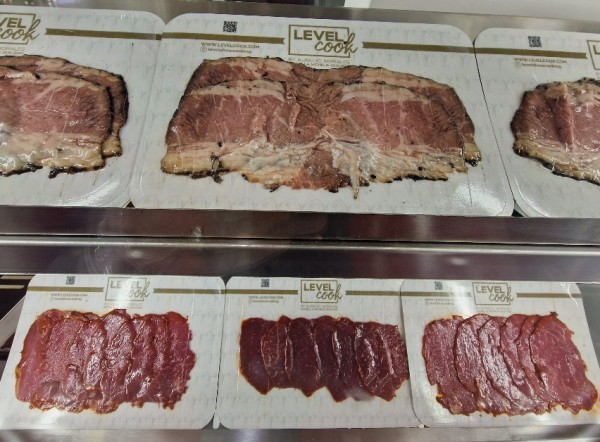
.
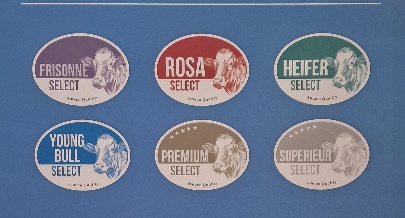
the best tasting: AMECO
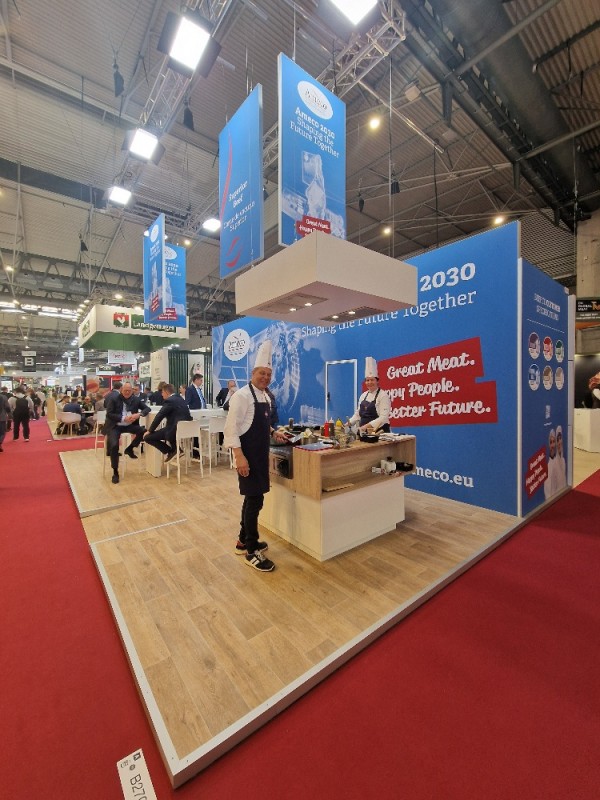
.
the best payoff: AMECO
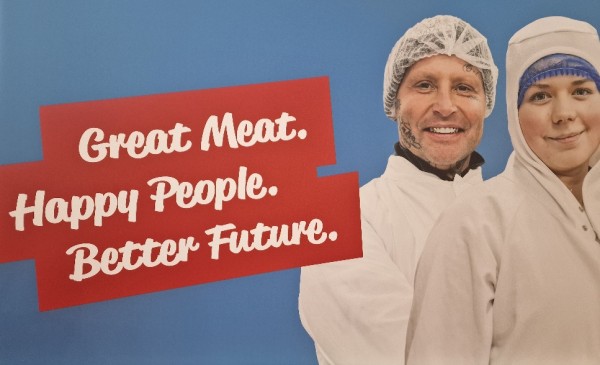
This payoff does not speak only about AMECO and its entrepreneurial and ethical vision. It also represents the best wish for all of us!
... and the best finish for my report.
Enzo Sisto
Gerelateerde blogs
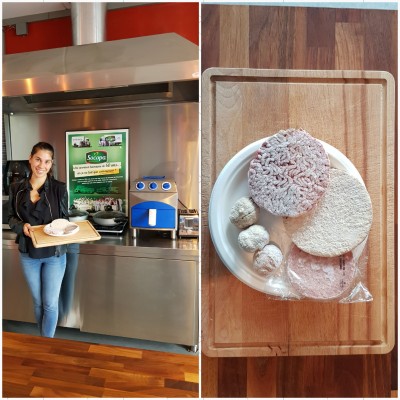
Tasting the FS product SOCOPA
Enzo Sisto 4 augustus 2017
By Laura I'm Laura, an italian student who's having a stage by the Office of COFOS BV.

Happy New Year
Enzo Sisto 1 januari 2020
Every moment in our life is never a goal but the start of a new adventure. The courage of keep trying always everything helps us getting better.
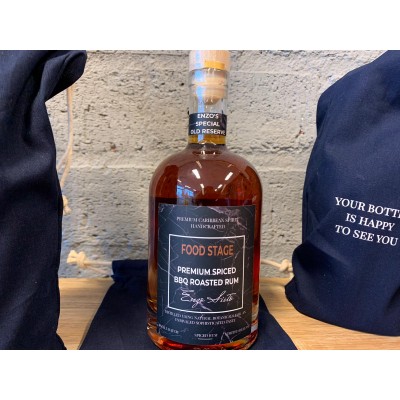
Spiced Roasted BBQ Rum
Enzo Sisto 7 februari 2021
Designing a "spicy roasted rum" with notes of caramel and molasses was an amazing and positive note in this difficult and complex moment that Covid19 has given us.